
You lived through a system that locked most people out of political power, jobs, and basic dignity — and this post shows how that system ended without a full-scale civil war. Apartheid was a legal structure of racial segregation that stripped Black South Africans of rights while a white minority ruled; inside resistance, global pressure, and economic strain forced leaders to negotiate a new path.

You will meet the people and steps that made change possible: activists who risked everything, negotiators who chose compromise, and elections that moved the country toward democracy. The story shows how dialogue, inclusive leadership, and coordinated pressure can dismantle deep injustice and reshape a nation.
Key Takeaways
- A legal system denied majority rights and sparked sustained resistance.
- Pressure from inside and outside the country pushed leaders to negotiate.
- Negotiation, legal reform, and elections built a new democratic order.
Origins and Foundations of Apartheid
Apartheid grew from older laws, party politics, and racial ideas that set white power as normal. You will see how colonial segregation, the National Party’s rise, and an ideology of racial superiority created a legal system that controlled daily life and land.
Pre-1948 Segregation and Colonial Roots
You should know apartheid did not begin in 1948. British and Dutch colonial rule had long enforced separate spaces for people based on race. Laws and practices limited land ownership, movement, and political rights for Black, Coloured, and Indian South Africans.
By the early 20th century, South African governments had passed pass laws, land acts, and labor rules that favored white workers and employers. Town planning and forced removals already separated neighborhoods and workplaces. These measures set the legal and social groundwork the National Party later turned into formal apartheid.
Economic needs also shaped segregation. Mining and agriculture required controlled Black labor. The state and employers used laws to keep that labor cheap and mobile. You can see how these older systems made a full apartheid regime easier to create.
Rise of the National Party and Policy Goals
You will find the National Party’s 1948 election victory pivotal. Led by Daniel F. Malan, the party campaigned on formalizing separation and protecting white minority rule. Its goal was legal clarity: turn existing segregation into a nationwide system.
The National Party framed policies as “separate development.” Early laws after 1948 included the Population Registration Act and Group Areas Act. These laws registered people by race and forced many communities to move into designated areas. The party later promoted “Grand Apartheid,” a broader plan to assign Black South Africans to homelands and exclude them from national politics.
Hendrik Verwoerd, who became prime minister in the 1950s, pushed the policy further. He shaped institutions that enforced segregation in education, health, and land. The National Party used law, police power, and bureaucracy to keep white minority rule intact.
Ideology of Racial Superiority and Fear
You must understand the ideology behind apartheid. Many white leaders believed in racial hierarchies and framed separation as protection for culture and economy. That belief mixed with fear of losing political power and jobs to the majority Black population.
Apartheid ideology used scientific-sounding arguments and biblical or cultural claims to justify discrimination. It also criminalized social mixing through laws like the Prohibition of Mixed Marriages Act and the Immorality Amendment. These laws punished ordinary relationships and reinforced social distance.
Fear of change hardened support for apartheid among many white voters. The state then built a security apparatus to suppress dissent, making resistance risky. That mix of ideology and enforced control kept apartheid in place until sustained internal and international pressure forced change.
Key Apartheid Legislation and Practices
These laws and policies classified people by race, governed where they could live and work, and created separate institutions for political and economic life. They shaped daily life, land ownership, education, and movement for millions.
Population Registration and Classification Laws
The Population Registration Act required you to be officially classified by race. Officials assigned categories like "white," "black (African)," "coloured," and "Indian." That classification controlled your legal rights, where you could live, and which jobs and schools you could access.
The Prohibition of Mixed Marriages Act and the Immorality Act used those classifications to ban marriages and sexual relations across racial lines. The state kept detailed records; your racial label could be changed by bureaucrats or courts, affecting your life overnight. These laws underpinned almost every other apartheid rule.
Group Areas Act and Forced Removals
The Group Areas Act divided cities and towns into racially designated zones. If you lived in an area reclassified for another race, the state could force you to move. The act led to mass removals of black, coloured, and Indian families from urban neighborhoods.
You lost property and community ties when the government relocated people to townships or peripheral areas. The Group Areas Development Act supported this process with demolition, rehousing, and legal tools to enforce segregation. The spatial legacy still affects South African cities today.
Bantustans and the Homelands Policy
The government created bantustans—also called homelands—to make black South Africans citizens of separate territories. Laws such as the Bantu Homelands Citizenship Act assigned you citizenship in one homeland regardless of where you actually lived. The Promotion of Bantu Self-Government and related acts set up nominally self-governing states like Transkei, Bophuthatswana, Venda, and Ciskei.
These territories had limited resources and were economically dependent on South Africa. The policy aimed to remove black people from the national political roll and justify exclusion from national rights. Many homelands lacked real autonomy and served to entrench labor control and land dispossession.
Education, Pass Laws, and Labor Controls
The Bantu Education Act and other education laws created separate, unequal schooling for black children. If you were black, the curriculum prepared you for manual work and limited upward mobility. Universities and technical training were also segregated by race through acts that restricted enrollment.
Pass laws and related influx-control statutes required you to carry identification and permits to enter urban areas. Police could arrest you for lacking documents. Labor laws, job reservation policies, and the Mines and Works framework limited jobs for nonwhite workers and controlled strikes and unions. Together, these measures regulated movement, work, and daily life to maintain the apartheid economy.
Impact of Apartheid on South African Society
Apartheid shaped who could live where, what jobs people could hold, and which voices mattered in politics. It left deep gaps in wealth, schooling, and personal freedom that still affect daily life.
Social and Economic Disparities
You saw segregation in where people lived and how wealth was distributed. Laws like the Group Areas Act forced Black Africans into townships far from jobs. That made commutes long and family life hard.
Separate education meant children for non-white groups got poorer schools and fewer resources. This lowered lifetime earnings and limited skilled professions for generations. Petty apartheid rules — such as restricted public amenities — reinforced low living standards and social exclusion.
The white minority kept most capital, land, and business ownership. Even when Black households worked, wages were low and job mobility was limited. These economic gaps created high poverty rates and unequal access to housing, healthcare, and services that persist today.
Racial Discrimination in Daily Life
You experienced racial discrimination as an everyday reality under apartheid. Pass laws controlled movement for Black Africans and forced many to carry identity documents that limited where they could work or live.
Public spaces, buses, parks, and hospitals were segregated. Mixed marriages and social relationships faced legal bans. These rules shaped daily routines and personal choices, making social contact across races risky or illegal.
Discrimination also affected legal rights. Police enforcement and petty apartheid policing often targeted non-white people, resulting in frequent arrests and harassment. This constant pressure eroded trust in public institutions and increased fear in communities.
Political Exclusion and Suppression
Your ability to take part in government depended on race. The white minority held full political power while Black Africans were denied meaningful voting rights. Structures like the House of Representatives and other racial bodies offered limited representation for some groups but kept real power with whites.
Opposition and dissent met harsh repression. Leaders and activists faced detention, banning orders, and trials. The ANC and other movements were often outlawed, pushing many activists into exile or underground resistance.
International pressure and sanctions grew as the world saw the denial of political rights. That pressure, combined with internal unrest, helped force talks that led to legal changes, release of political prisoners, and eventual free elections.
Resistance and the Anti-Apartheid Movement
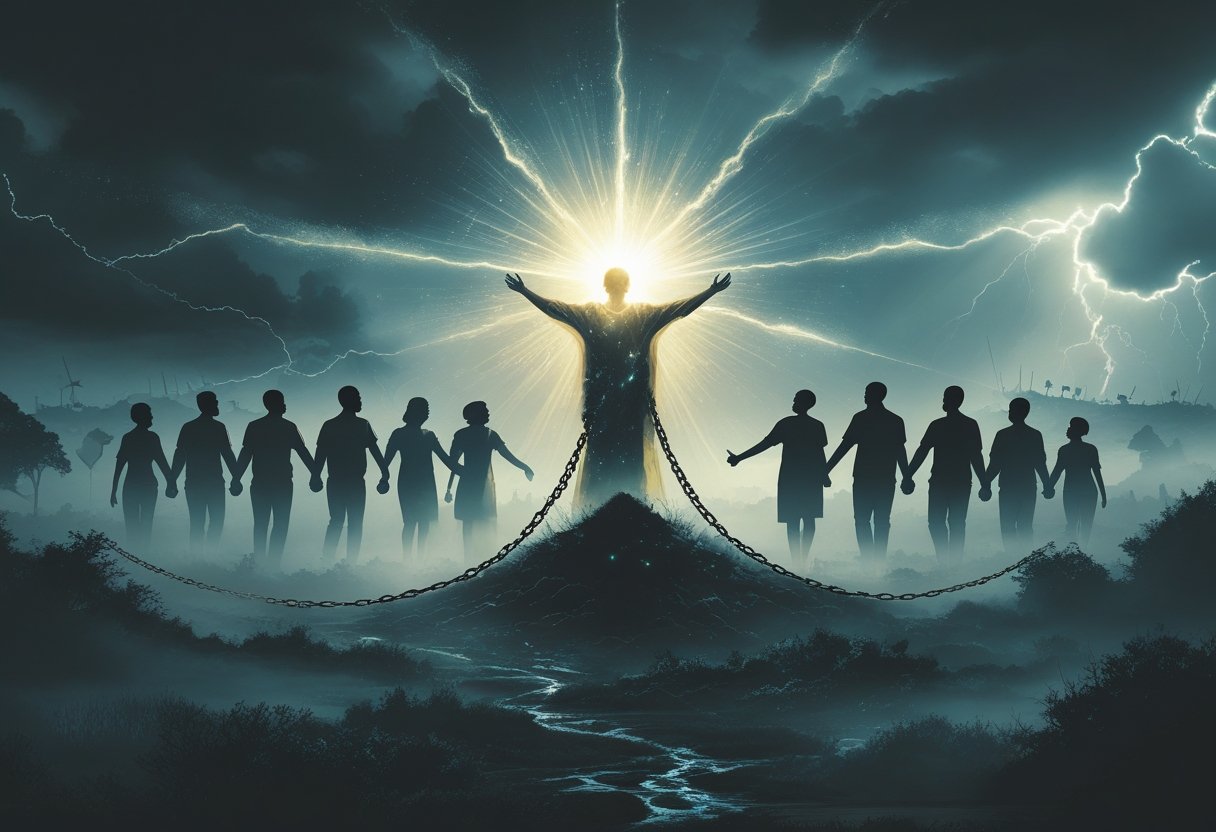
You will read how South Africans and the world pushed back against apartheid through organized campaigns, mass protests, and global pressure. These efforts combined nonviolent action, armed struggle, and diplomatic pressure to force change.
Early and Organized Opposition
You encounter early resistance led by the African National Congress (ANC) and the Pan-Africanist Congress (PAC). The ANC launched the Defiance Campaign in 1952, using civil disobedience to challenge segregation laws. The PAC pushed for more militant mass action and split from the ANC in 1959.
You also see unions, churches, and women’s groups join the fight. The Freedom Charter of 1955 set a clear vision for equal rights. The ANC later adopted armed struggle through Umkhonto we Sizwe after peaceful protest met violent repression.
Local networks kept communities active. The Inkatha Freedom Party (IFP) emerged as a Zulu-based movement and later clashed with the ANC and UDF. These tensions shaped resistance but did not stop the broader push for change.
Sharpeville and Soweto Uprisings
You learn that the Sharpeville massacre in 1960 marked a turning point. Police killed 69 people at an anti-pass law protest. The killings led to national outrage, the banning of the ANC and PAC, and many activists going underground or into exile.
In 1976, Soweto students protested Afrikaans as a school language and the right to quality education. Police response killed hundreds and sparked nationwide riots. Soweto shifted opinion both inside South Africa and abroad. It radicalized a generation and boosted recruitment to liberation groups.
Both events showed the cost of peaceful protest under apartheid. They also exposed the regime’s brutality and created moral pressure that helped build wider resistance.
International Solidarity and Sanctions
You see global pressure grow after Sharpeville and Soweto. The United Nations condemned apartheid, and many countries, universities, churches, and unions joined the anti-apartheid movement. Activists led boycotts of South African goods, sports, and cultural ties.
Economic and diplomatic sanctions increased in the 1980s. The U.S. passed the Comprehensive Anti-Apartheid Act in 1986 despite presidential veto. That law and similar measures in Europe strained South Africa’s economy and raised the cost of maintaining apartheid.
Sanctions worked alongside internal resistance. They weakened the white government’s position and pushed leaders like F.W. de Klerk toward negotiation. The combined pressure of the international anti-apartheid movement and South African protest movements helped create the space for talks and reform.
Leaders and Influential Figures
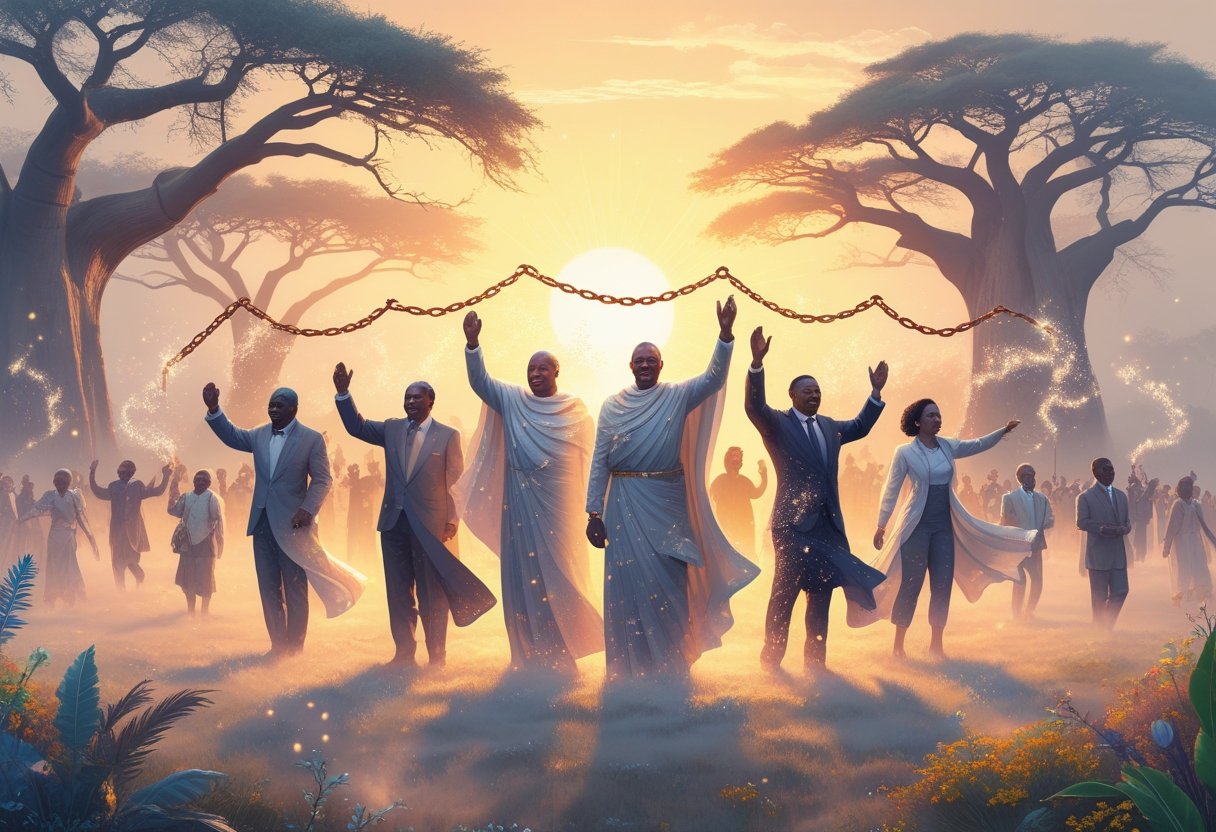
These people shaped negotiations, resistance, and international pressure. They include imprisoned and exiled leaders, reformers inside the government, grassroots martyrs, and foreign allies who pushed for sanctions and support.
Nelson Mandela and the ANC
You know Nelson Mandela as the public face of the anti-apartheid struggle. He joined the African National Congress (ANC) in the 1940s, helped lead campaigns of defiance, and co-founded the armed wing, Umkhonto we Sizwe, when peaceful protests failed. Mandela spent 27 years in prison, becoming a global symbol for justice.
After his release in 1990, Mandela led ANC delegations in talks with the government. He pushed for a negotiated settlement, a new constitution, and inclusive elections. Figures like Walter Sisulu and Thabo Mbeki worked alongside him within the ANC to build policy and prepare for governance.
The Role of F.W. de Klerk and Government Reformers
You should know F.W. de Klerk as the key reformer within the white government. He became president in 1989 and recognized that apartheid was unsustainable economically and politically. De Klerk lifted bans on the ANC and other parties, released Mandela, and began negotiations to end white minority rule.
Other government figures, such as P.W. Botha earlier tried limited reforms but resisted major change. De Klerk’s team negotiated with ANC leaders to draft new laws and a transitional framework. His actions split the ruling National Party and faced pushback from hardline apartheid supporters.
Steve Biko, Oliver Tambo, and Other Key Activists
You will encounter activists who built resistance at the grassroots and abroad. Steve Biko led the Black Consciousness movement, inspiring young South Africans to claim dignity and resist pass laws before his death in police custody made him a martyr. Oliver Tambo ran the ANC in exile, securing international support and coordinating diplomatic and military strategy.
Walter Sisulu provided leadership inside the ANC and mentored younger leaders. Desmond Tutu used moral authority and the church to campaign against apartheid, pressing for sanctions and reconciliation. These activists kept internal resistance alive and connected it to global pressure.
International Allies and Supporters
You benefit from knowing how foreign actors influenced the end of apartheid. The United Nations imposed arms embargoes and passed resolutions condemning apartheid. Western publics, trade unions, and anti-apartheid movements pushed for economic sanctions and cultural boycotts that hurt the white regime’s legitimacy.
Countries and leaders varied: some, like the U.K. and U.S. early on hesitated on sanctions, while global civil society and African states sustained pressure. International allies provided funding, legal help, and refuge for exiles such as Oliver Tambo. Religious leaders like Desmond Tutu also galvanized worldwide support for negotiations and reconciliation.
Negotiation and the End of Apartheid
You will read how key leaders freed prisoners, unbanned parties, held intense talks to write a new constitution, and ran the first non-racial elections that formed a Government of National Unity. These moves turned a violent, unequal system into a negotiated transition to democracy.
Release of Political Prisoners and Legalization of Parties
In 1990, President F.W. de Klerk announced the unbanning of the African National Congress (ANC), Pan Africanist Congress, and other groups. Nelson Mandela left prison after 27 years. Those acts removed legal barriers that had kept major political forces out of public life.
You saw the state lift emergency laws and free many political prisoners. The moves reduced some immediate tensions and allowed leaders to meet openly. Legal political activity let the ANC and other groups register, organize campaigns, and prepare for talks and elections.
These steps did not end violence, but they made formal negotiation possible. They also signaled to the world that South Africa would move away from strict repression and toward a negotiated settlement.
Multi-Party Negotiations and Drafting a New Constitution
Negotiations began with bilateral talks between the government and ANC and moved to multi-party forums like CODESA and the Multi-Party Negotiating Forum. You would notice key agreements such as the Groote Schuur Minute and the Pretoria Minute that set rules for talks and reduced armed activity.
Between 1991 and 1993, negotiators debated voting rules, regional powers, and human rights protections. Tensions rose over violence, the role of the IFP, and the shape of a future constitution. Still, they produced an interim constitution in 1993 that created a framework for a final constitution.
The interim constitution established a constitutional assembly to draft the progressive constitution you know today. It included a Bill of Rights, power-sharing provisions, and clear steps to move to national elections.
First Democratic Elections and the Government of National Unity
In April 1994, South Africa held its first non-racial national elections. The ANC won a majority, and Nelson Mandela became president. Voter turnout was high among previously banned and marginalized groups.
After the vote, the interim constitution required a Government of National Unity that included the ANC, the National Party, and others with significant support. This arrangement eased the transition by giving former rulers a formal role while majority rule took shape.
You can see how the elections and the unity government turned negotiated agreements into governing practice. They helped embed the new progressive constitution and begin the long work of reforming institutions and addressing apartheid’s legacies.
Reconciliation, Legacy, and Continuing Challenges
You will see how South Africa tried to face past crimes, build a shared national story, and still wrestle with deep economic and social gaps. The work involved truth-telling, cultural moments that shaped public memory, and policies that struggled to fix land and wealth imbalances.
Truth and Reconciliation Commission
The Truth and Reconciliation Commission (TRC) aimed to expose human-rights abuses from 1960–1994. Victims gave testimony in public hearings held in cities like Johannesburg, while some perpetrators applied for conditional amnesty in exchange for full disclosure.
You learn that the TRC prioritized truth over punishment. Many victims felt heard when their stories were recorded, but others wanted criminal trials and felt justice was incomplete. The TRC produced detailed reports and recommendations on reparations and institutional reform, yet many proposals were only partially implemented.
The TRC set a global example for restorative justice. Still, if you look at outcomes—limited prosecutions, slow reparations, and mixed public satisfaction—you see why debates about accountability and memory persist.
Building a New National Identity
You watched symbols and events shape a new national identity after 1994. Nelson Mandela’s leadership and inclusive rituals—like his use of the Johannesburg stadiums for mass gatherings—helped create a shared civic language that stressed unity and equality.
Sport offered a powerful unifying moment. The 1995 Rugby World Cup, highlighted in the film Invictus, turned the Springboks’ victory into a public symbol of reconciliation. When Mandela wore the team jersey and celebrated with players, many South Africans saw a clear signal that former divisions could be bridged.
At the same time, identity work remains contested. You will encounter arguments over school curricula, public monuments, and which histories get center stage. These debates show that national identity is still being negotiated in streets, campuses, and city halls.
Economic and Social Challenges in Post-Apartheid South Africa
You will confront stark economic realities that survived the political transition. Unemployment, unequal land ownership, and vast income gaps remain, especially for Black South Africans who were dispossessed under apartheid laws.
Policy choices after 1994—like protecting property rights and using a willing-seller, willing-buyer approach to land reform—slowed redistribution. By the 2010s and 2020s, land transfer goals lagged and many townships around Johannesburg and other cities still lack adequate services.
Social problems translate into frequent protests demanding housing, water, and electricity. You see how poverty links to education gaps and high youth unemployment. These structural issues show why many people call for deeper economic reform beyond symbolic reconciliation.
Cultural and Symbolic Moments
Cultural acts have shaped public memory and action in tangible ways. Student movements such as #FeesMustFall and campaigns like #RhodesMustFall forced universities and public spaces to confront colonial and apartheid-era symbols.
You will note how art, film, and sport help you interpret history. Invictus brought international attention to reconciliation via sport. Local memorials, museum exhibits, and Johannesburg’s public hearings created visible places of remembrance that you can visit and learn from.
Symbolic changes—renaming streets, removing statues, and creating new museums—matter because they alter daily experience of space. These acts do not solve economic inequality but they change which stories get honored and how citizens talk about the past.


No comments:
Post a Comment