
Have you ever felt a big change in your day because of a stranger's kindness?
Tennessee Williams once said, “Whoever you are — I have always depended on the kindness of strangers.” This quote shows how important kindness is in our lives. It often comes from people we least expect.

In today's world, where everything feels like a deal, be kind today is more than just a saying. It's a real call to action. When we show kindness, we make someone's day better. And it makes our own lives richer too.
Key Takeaways
- Kindness can significantly impact someone's day.
- Practicing kindness enriches both the giver and receiver.
- Small acts of kindness can have a profound effect.
- Kindness can come from unexpected sources.
- Embracing kindness fosters a more positive community.
The Power of Unexpected Kindness
Kindness can have a huge impact when we least expect it. It's the small, unexpected acts that often leave a lasting impression. An act of kindness can brighten someone's day and create a ripple effect that goes far beyond the initial gesture.
How Small Acts Create Big Impacts
Small acts of kindness can have a big impact on individuals and communities. Scott Adams said, "Remember there's no such thing as a small act of kindness. Every act creates a ripple with no logical end." This shows how small acts can have big effects. For example, holding the door for someone or saying a kind word can make their day better.
These small gestures not only make the recipient's day better but also encourage them to do the same for others. This creates a chain reaction of kindness. The impact of these acts can be far-reaching, fostering a culture of compassion and empathy.
| Small Acts | Impact |
|---|---|
| Holding the door for someone | Brightens their day |
| Offering a kind word | Provides encouragement |
| Paying for the coffee of the person behind you | Creates a surprise and delight |
The Ripple Effect of Compassion
Compassion has the power to create a ripple effect, spreading kindness far and wide. When we show compassion to others, it not only benefits them but also inspires them to do the same for others. This chain reaction can lead to a significant positive change in communities.
The ripple effect of compassion can be seen in various aspects of life, from personal relationships to community initiatives. By choosing to be kind and compassionate, we can create a more supportive and understanding environment for everyone.
As kindness continues to spread, it can lead to a cultural shift where empathy and compassion become the norm. This, in turn, can lead to a more harmonious and connected society.
Be Kind. You Never Know Who Needed It Today. A Simple Truth That Stays Relevant
In today's world, where negativity spreads fast, "Be Kind. You Never Know Who Needed It Today" shines as a beacon of hope. This simple yet powerful phrase guides many to spread kindness every day. William Arthur Ward said, "A warm smile is the universal language of kindness." This shows kindness can unite people from all walks of life.
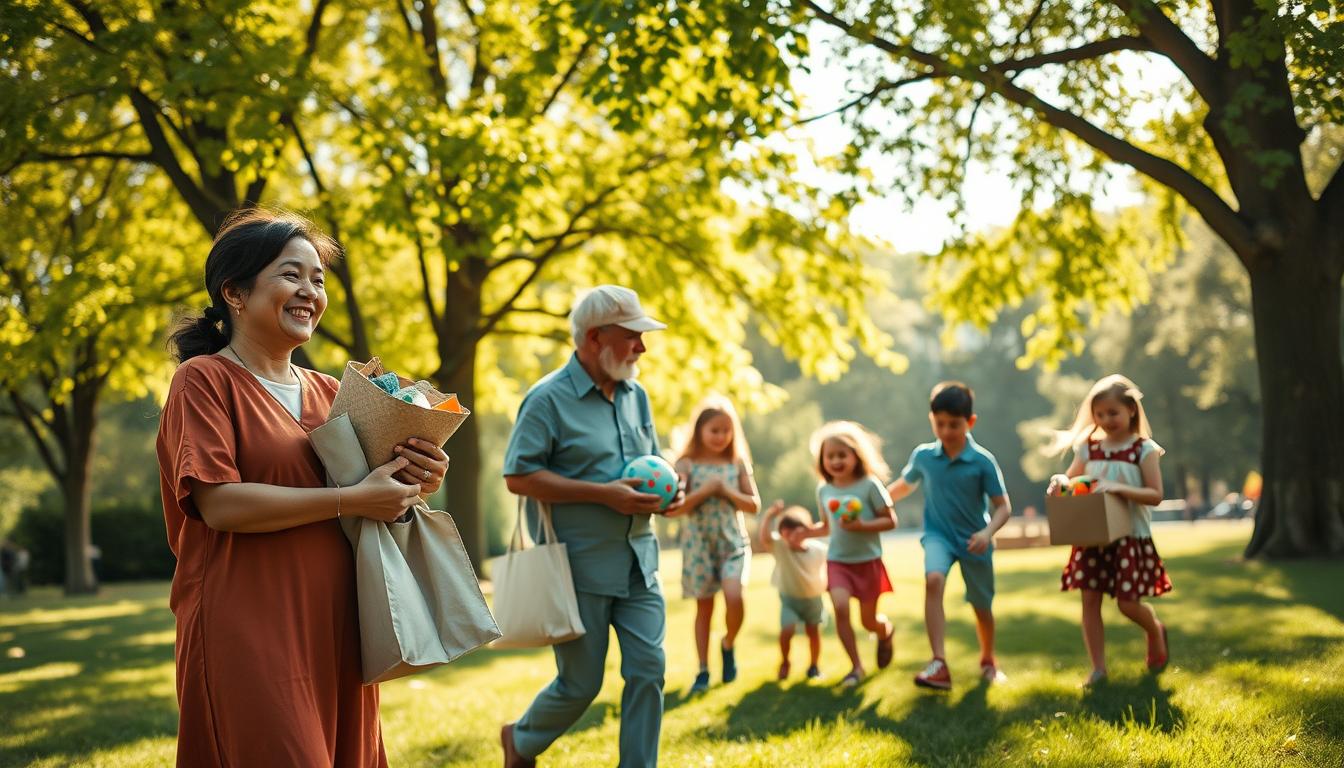
The Universal Language of Kindness
Kindness is a language everyone can understand, no matter their culture or language. It's a way to communicate that touches the heart, not just the ears. When we're kind, we're speaking a language that can deeply affect someone's day. The Dalai Lama said, "Be kind whenever possible. It is always possible." This quote shows kindness is simple and universal.
Being kind can be as simple as smiling or saying a kind word. It can also mean volunteering or giving to charity. Kindness has the power to uplift and inspire, creating a positive ripple effect.
Why This Message Matters Now More Than Ever
In today's fast-paced, stressful world, the message "Be Kind. You Never Know Who Needed It Today" is more important than ever. Social media can make us focus on the negative. But kindness reminds us of empathy, compassion, and understanding. By choosing to be kind, we make our world a better place for everyone.
Kindness also benefits the person doing it. Studies show it can make us happier, reduce stress, and even improve our health. So, spreading kindness not only helps others but also improves our own lives.
In conclusion, "Be Kind. You Never Know Who Needed It Today" is a timeless message. By living this message, we can make our world more compassionate and caring.
The Science Behind Kindness
Kindness is more than a virtue; it's scientifically proven to boost mental health. Studies show it positively affects both the giver and receiver. It changes brain chemistry and improves well-being.
Psychological Benefits of Giving Kindness
Giving kindness reduces stress and boosts happiness. It makes us feel connected and valued. Our brain releases endorphins, or "feel-good" hormones, when we're kind.
- Enhanced mood and overall sense of well-being
- Increased empathy and connection with others
- Reduced symptoms of depression and anxiety
By adding kindness to our daily lives, we become more positive and resilient.
Psychological Benefits of Receiving Kindness
Receiving kindness is just as beneficial as giving it. It can make our day brighter and improve our mood. It even strengthens our immune system.
- Feeling seen and appreciated
- Reduced feelings of loneliness and isolation
- Increased trust and openness towards others
https://www.youtube.com/watch?v=rSOzN0eihsE
How Kindness Affects Our Brain Chemistry
Kindness deeply affects our brain chemistry. It releases dopamine, serotonin, and endorphins. These chemicals are key to our mood, emotional well-being, and social bonds.
- Boost our mood and reduce stress
- Enhance our sense of social connection and empathy
- Promote feelings of happiness and well-being
Understanding kindness's science helps us use it to better our mental health and create a more compassionate world.
Hidden Battles: Why Everyone Deserves Kindness
We often forget that everyone we meet is fighting a battle we know nothing about. This truth shows how important kindness is in our daily lives. As we go about our day, it's easy to ignore the struggles of those around us. But it's in these moments that kindness can make the biggest difference.
The Invisible Struggles People Face Daily
Many people around us face issues we can't see. These can include mental health problems, personal losses, or financial struggles. Kindness can be a beacon of hope in these times, bringing comfort and support. By understanding the struggles others might face, we can be more empathetic and understanding.
- Mental health issues that are not immediately apparent
- Personal losses or family struggles
- Financial difficulties or job insecurity
How Kindness Provides Emotional Support
Kindness is more than a gesture; it's emotional support that can greatly improve someone's day. When we show kindness, we not only help the person but also spread compassion. It's a reminder that we are not alone, and that there are people who care. This can be very empowering, helping those who face challenges in silence.

By adding kindness to our daily lives, we can make a big difference for those around us. It's about being aware of the struggles others might face and being ready to help or listen.
Everyday Opportunities to Show Kindness
Every day, we have chances to spread kindness and help others. By doing small acts of kindness, we can make a big difference. This can positively affect those around us.
Kindness isn't just about big actions. It can be shown in many ways, even in our daily lives. This includes our homes and interactions with strangers.
In Your Home and Family
Being kind to family members is easy. Just offer to help or listen to their problems. Small acts, like cooking or doing chores, can really bring us closer together.
At Work and School
Work and school are full of chances to act of kindness. A simple word of support or help can change someone's day. Actions like holding the door or saying something nice can make the environment better.
In Your Community
Getting involved in community activities or volunteering is a great way to show kindness. Helping out at local events or centers can unite people. It helps us feel like we belong.
With Strangers
Talking to strangers is a chance to show kindness every day. A smile or a kind word can make someone's day better. It's a way to create a positive interaction.
By seeing the chances to be kind in our lives, we can build a more caring world. This helps us understand and connect with each other better.
21 Random Acts of Kindness Anyone Can Perform
As Anne Herbert suggested, practicing "random kindness and senseless acts of beauty" can have a profound impact. This approach encourages us to be spontaneous and creative in our acts of kindness. It makes a significant difference in the lives of those around us.
Quick Acts That Take Less Than a Minute
In today's fast-paced world, it's easy to get caught up in our busy lives. But kindness doesn't have to be time-consuming. Here are some quick acts that can be performed in under a minute:
Digital Acts of Kindness
- Send a kind text message to a friend or family member.
- Share a positive post on social media.
- Leave a supportive comment on a blog or forum.
In-Person Gestures
- Hold the door open for someone.
- Offer a genuine smile to a stranger.
- Let someone go ahead of you in line.
Thoughtful Gestures That Make a Difference
Sometimes, it's the thoughtful gestures that have the most impact. These acts show that we've taken the time to think about someone else's needs:
- Write a handwritten letter to a loved one.
- Prepare a meal for someone who is ill or busy.
- Offer to babysit for a single parent.
Kindness Actions That Cost Nothing
Kindness doesn't have to cost money. Here are some actions that are free but can make a significant difference:
| Action | Benefit |
|---|---|
| Listen to someone who needs to talk. | Provides emotional support. |
| Offer words of encouragement. | Boosts confidence and morale. |
| Give a genuine compliment. | Brightens someone's day. |
As we incorporate these acts into our daily lives, we not only improve the lives of others but also enhance our own well-being. Kindness is a simple yet powerful tool that can bring people together and create a more compassionate world.
"Practice random kindness and senseless acts of beauty." - Anne Herbert
By embracing random acts of kindness, we can make a positive impact on those around us. Whether it's a quick digital gesture or a more thoughtful in-person action, every act counts.
When Kindness Comes Back: Real Stories of Impact
Kindness has a powerful ripple effect that can change lives in unexpected ways. When we show kindness, it often comes back to us in surprising and meaningful ways. This creates a positive chain reaction that can touch numerous lives.
One of the most compelling aspects of kindness is its ability to transform lives through small gestures. These acts may seem insignificant at first. But they can have a profound impact on the recipient.
Transformative Moments From Small Gestures
Small acts of kindness can lead to transformative moments in people's lives. For instance, a simple smile or a kind word from a stranger can brighten someone's day. It can give them the courage they need to face challenges.
A volunteer at a local soup kitchen shared a story of a woman who came in every day, feeling invisible and overlooked. One day, a volunteer took the time to listen to her story. It was a turning point for her, making her feel seen and valued again.
Such moments highlight the power of kindness to change lives. By being mindful of our interactions with others, we can create opportunities for these transformative moments to occur.
How One Act Changed Multiple Lives
One act of kindness can have a multiplier effect, impacting not just the recipient but also those around them. A story of a man who lost his job and was struggling to make ends meet illustrates this point. A friend paid for his groceries, which not only helped him financially but also restored his dignity.
This act inspired the man to pay it forward. Soon, a community came together to support others in need.
| Kindness Act | Immediate Impact | Long-term Impact |
|---|---|---|
| Paying for someone's groceries | Financial relief | Inspires others to pay it forward |
| Listening to someone's story | Emotional support | Restores dignity and hope |
| Smiling at a stranger | Brightens their day | Creates a positive atmosphere |
These stories show the significant impact kindness can have on individuals and communities. They create a ripple effect that can lead to lasting change.
Overcoming Obstacles to Being Kind
Eric Hoffer said, “Kindness can become its own motive. We are made kind by being kind,” showing kindness's power. Being kind is a journey with challenges, but kindness is needed most in these times.
When Kindness Feels Difficult
Being kind can seem hard, like when we face our own struggles or when others don't appreciate it. Yet, kindness is about our intent, not just the immediate reaction. Taking care of ourselves and being kind to ourselves helps us stay strong in kindness.
Setting Boundaries While Remaining Compassionate
Being kind doesn't mean ignoring our own needs. In fact, setting boundaries is kind to ourselves, helping us keep the emotional energy to care for others. By setting clear limits, we make sure our kindness doesn't exhaust us.
Responding to Unkindness with Compassion
It's natural to want to fight back when we're treated poorly. But choosing kindness instead can calm things down and help everyone heal. This doesn't mean we have to accept bad behavior. It means we choose how we react, with empathy and kindness.
| Strategies for Overcoming Obstacles to Kindness | Description | Benefits |
|---|---|---|
| Practicing Self-Compassion | Treating oneself with kindness and understanding | Builds resilience, enhances emotional well-being |
| Setting Healthy Boundaries | Defining personal limits to maintain emotional resources | Prevents burnout, sustains kindness |
| Responding with Empathy | Choosing compassion over retaliation in the face of unkindness | Diffuses tension, promotes healing and understanding |
Conclusion: Making Kindness Your Daily Practice
Reflecting on kindness shows its power in our daily lives. Dalai Lama XIV said, "My religion is very simple. My religion is kindness." This highlights kindness's role in how we interact with others.
When we be kind today, we help others and build a better community. Simple acts like holding the door or smiling at a stranger can make a big difference.
This article has shown how kindness can inspire others. It creates a chain of good deeds, spreading empathy and understanding. By making kindness a daily habit, we can make the world a brighter place for all.
FAQ
What are some simple ways to show kindness?
Simple acts like holding the door for someone or giving a genuine compliment can show kindness. Being a good listener or surprising someone with a small gift also helps.
How does kindness affect our mental health?
Kindness can make our mental health better by reducing stress and anxiety. It releases "feel-good" hormones that improve our mood and well-being.
Can kindness really make a difference in someone's life?
Yes, kindness can change someone's life. A single act of kindness can brighten their day and inspire others to be kind too.
How can I incorporate kindness into my daily routine?
Start by being mindful of those around you and looking for chances to be kind. This could be as simple as sending a kind text or helping a colleague.
What are some ways to show kindness to strangers?
You can show kindness to strangers by smiling or holding the door open. You can also volunteer or donate to help those in need.
How can I overcome obstacles to being kind?
To overcome obstacles, be aware of your emotions and boundaries. Practice self-care and remember that kindness doesn't have to be big or expensive. Responding to unkindness with compassion helps too.
Can kindness be learned or is it a natural trait?
Kindness can be learned and practiced by anyone. While some may naturally be kinder, it's a skill that can grow with practice and patience.
How does kindness impact our relationships?
Kindness strengthens relationships by building trust and empathy. It creates a positive environment, leading to deeper connections and understanding.


No comments:
Post a Comment